
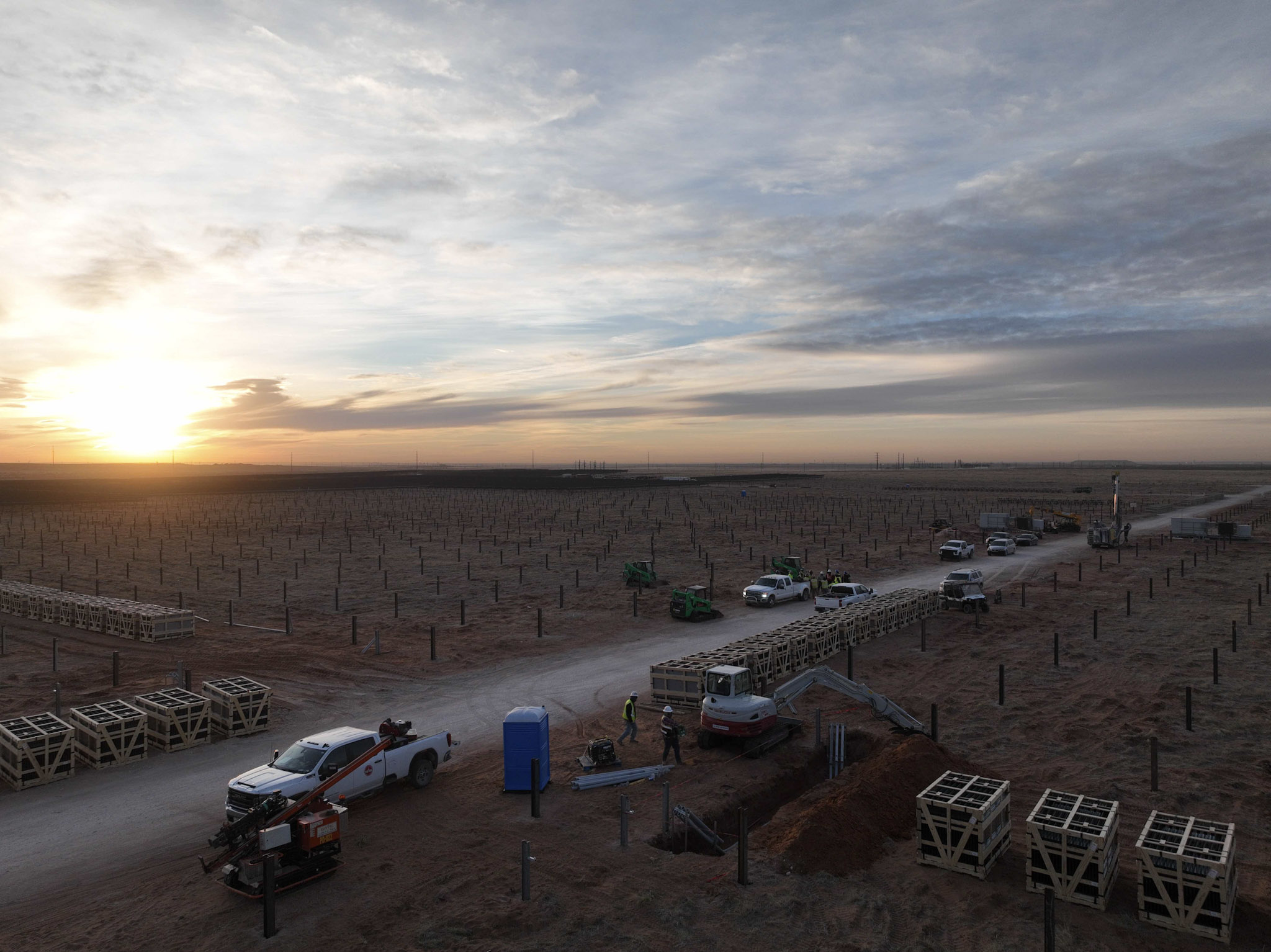
Commercial Solar Project Feasibility & Incentive Assessment
Every successful commercial energy project starts with a solid solar assessment. Before any solar panel installation or solar array design takes shape, this phase determines whether the site can support a high-performing solar energy system—from expected output to incentive eligibility and long-term value.
At Axium Solar, we coordinate the site evaluation, technical partners, and financial considerations needed to understand the full potential of your commercial solar system. We can manage the full on-site process to keep data, analysis, and incentives aligned.
This gives your team a clear, confident foundation to move forward with a commercial solar photovoltaic project built for reliability and ROI.
Why Businesses Need a Commercial Solar Assessment
A proper solar site assessment is far more than a quick look at solar panels or available roof space. For commercial facilities, the assessment defines the entire trajectory of the project: expected energy production, system size, payback, incentives, grid connection requirements, and operational impact.
During this stage, Axium Solar coordinates:
- Solar resource evaluation
- Preliminary system design and photovoltaic modeling
- Site conditions, shading, and obstructions
- Structural and electrical considerations
- Incentives, tax credit eligibility, and local rebate programs
- Production simulations and financial analysis
A strong assessment ensures your project delivers meaningful cost savings, predictable solar energy production, and long-term value—whether the system is ground mount, rooftop, or part of a broader portfolio of solar installations across multiple sites.
Explore how this fits into our full-service offerings on our Services page.

Evaluating Site Viability for Commercial Solar
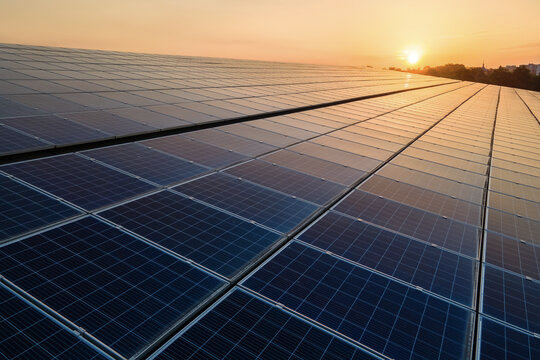
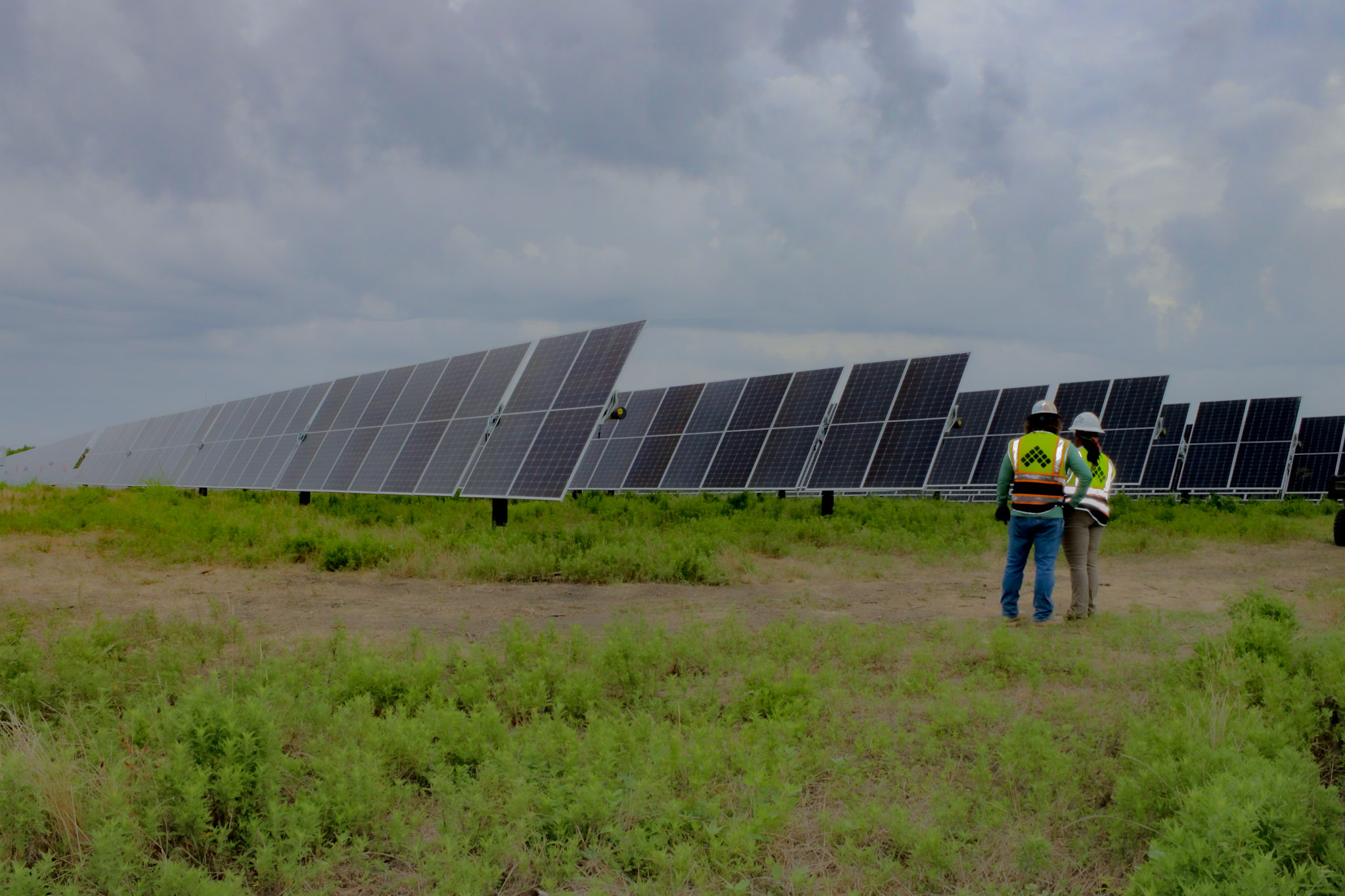
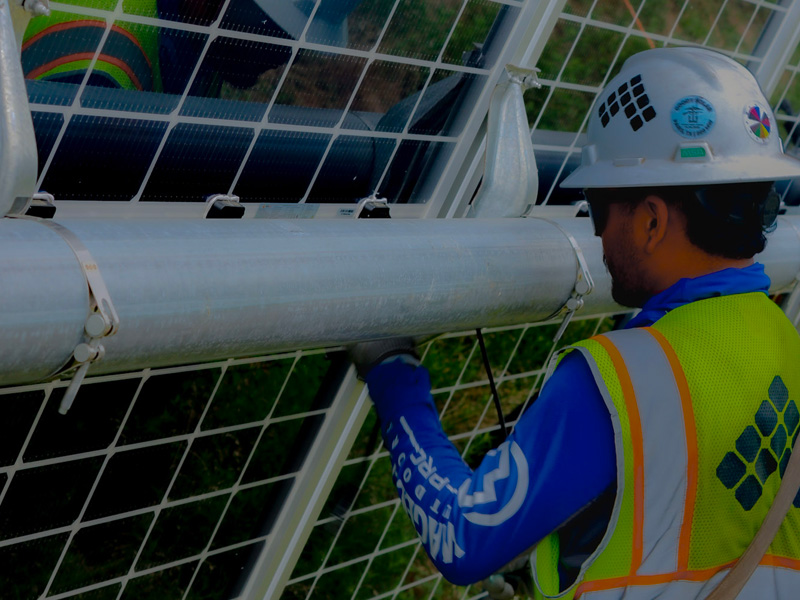
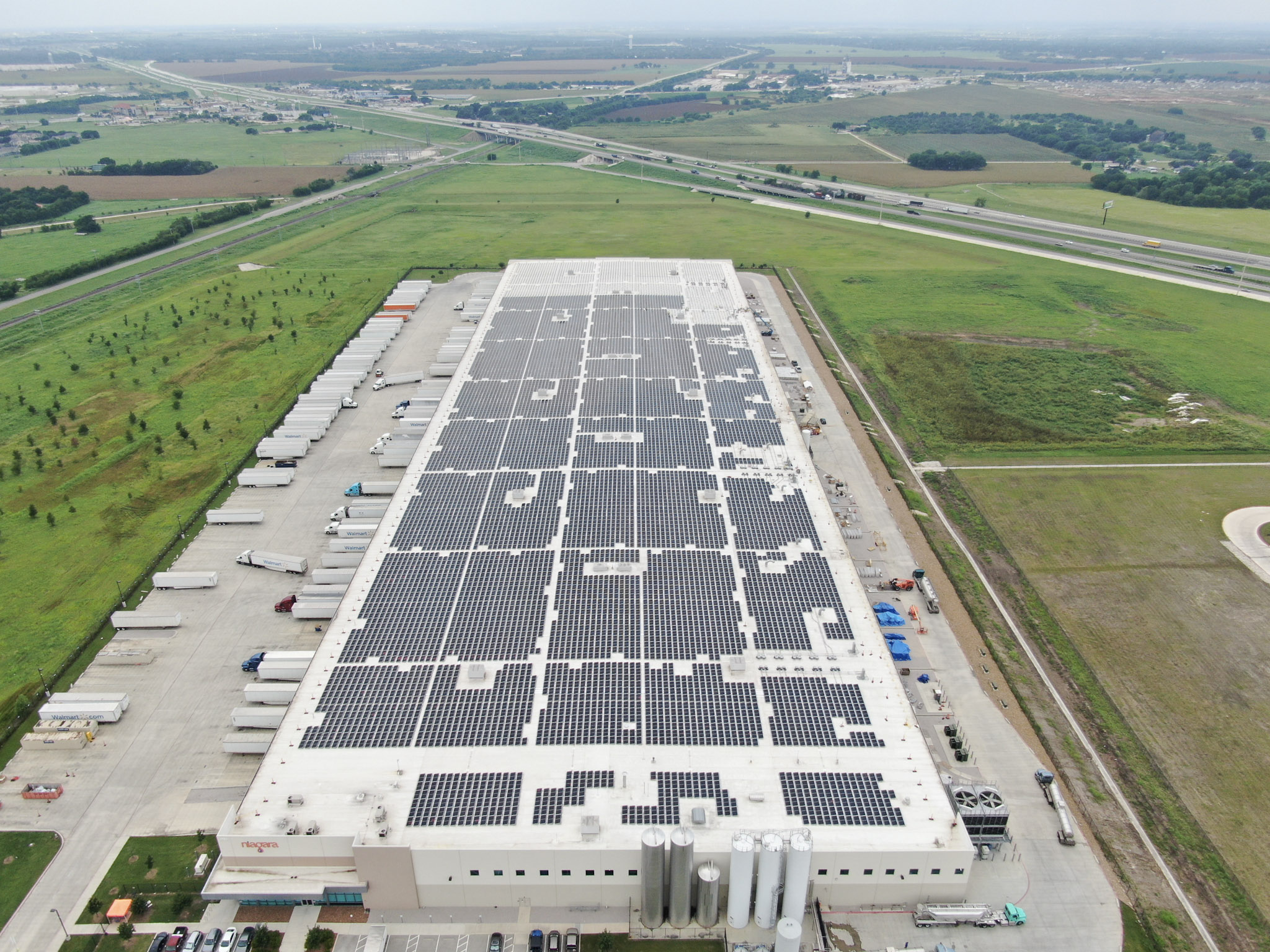
Every commercial property is unique, and not every site qualifies for a solar power system without modifications. A thorough assessment evaluates real-world conditions that influence whether a system is economically and structurally feasible.
Determining the Right System Size and Energy Output
Once site viability is confirmed, the next question is:
How big should the system be, and how much energy will it produce?
Axium analyzes:
- Facility energy needs
- Historical electricity bills
- Load profiles
- Available roof or land area
- Utility tariffs
- Expected solar energy production in kWh
Using this information, we coordinate preliminary solar design and system size modeling with engineering partners. This provides insight into:
- Estimated annual kWh production
- Expected energy efficiency improvements
- Ability to offset peak demand
- Long-term return on investment
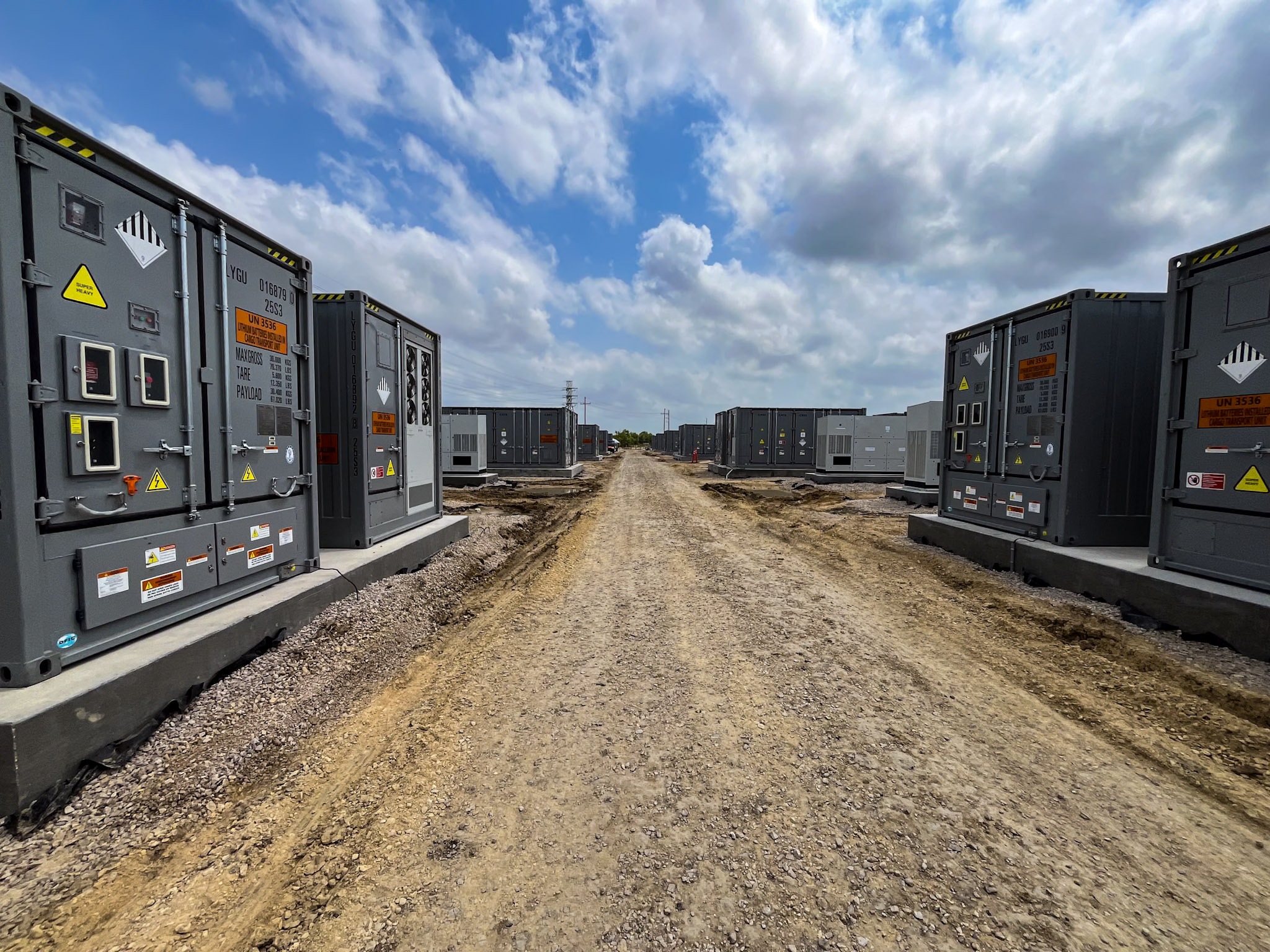
This is also where businesses see the impact of battery storage, if applicable. Storage can support operational resilience, cost controls, or load shifting—particularly in regions with volatile energy rates.
Financial Incentives, Rebates, and Tax Credits
For most commercial projects, incentives substantially improve financial performance. The assessment phase maps out what your organization qualifies for and how each incentive affects payback.
Common incentives include:
Estimating ROI, Payback, and Project Viability
The final component of the assessment is evaluating long-term financial performance. Using validated data from engineering partners and solar modeling tools, Axium helps businesses calculate:
- First-year and long-term kWh production
- Avoided grid energy costs
- Operations and maintenance considerations
- Expected return on investment
- Projected payback period
- Sensitivity to utility rate changes
This step is essential in determining which sites should move forward and which may require adjustments before advancing to full design.
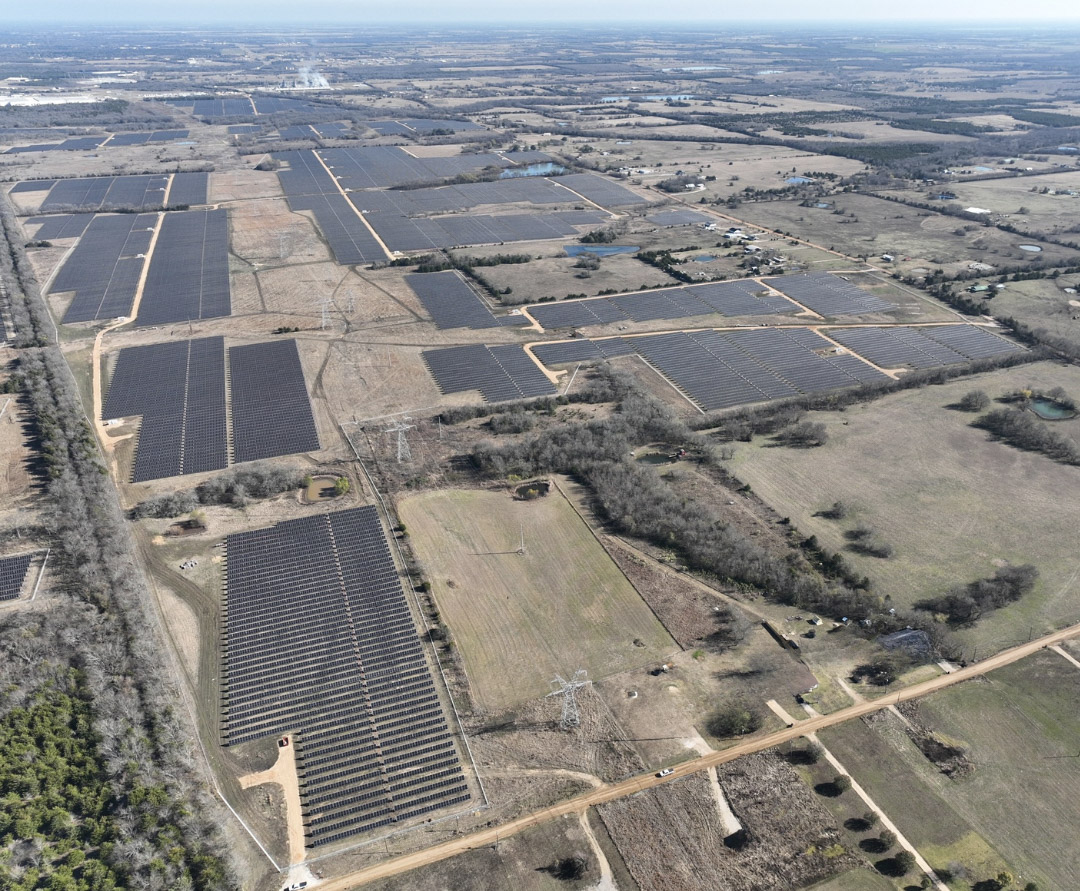
For teams evaluating portfolio-wide opportunities, Axium supports multi-site assessments that prioritize the strongest candidates.
From Assessment to Action: What Happens Next
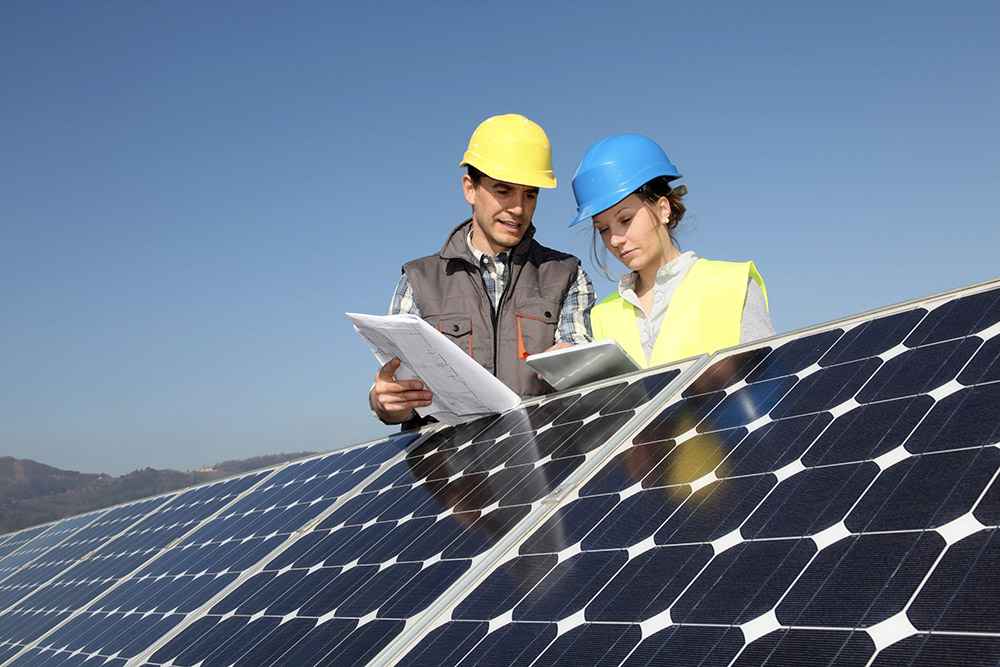
Once the feasibility and solar assessment phase is complete, businesses receive a clear, detailed understanding of the site’s readiness, expected performance, and financial outlook. If the project moves forward, Axium Solar supports the next stage by coordinating engineering partners, permitting, procurement, and electrical construction.
And with long-term performance in mind, our Service & O&M team provides ongoing monitoring, inspections, and maintenance to protect your energy investment long after the system is installed.
Partner With Axium Solar for Your Commercial Solar Assessment
A commercial solar project is a long-term investment, and the early decisions matter most. Axium Solar supports businesses through structured feasibility and incentive assessments tailored to each facility’s goals, constraints, and energy profile.
If your organization is considering solar or wants a site evaluated for long-term performance and financial value, our team can help guide the next steps with clarity and confidence.
Ready to take the next step?
Ready to move forward? Contact Axium Solar for a commercial solar consultation, and check out our FAQ page for quick answers as you get started.
